

A Texas Public Information Report (PIR) is an annual information report filed with the Texas Comptroller as part of your franchise tax filing. It updates the state’s records about your company’s management details (and certain ownership-related links), and the information is used for Texas public records. Most Texas LLCs and corporations must file it even if they owe $0 franchise tax. You can usually submit it online through the Comptroller’s WebFile system or file a paper form if you cannot file online.
What Is a Texas Public Information Report?
The Texas PIR is a yearly “information update” tied to franchise tax compliance. Think of it as Texas’s way of keeping certain management and relationship details current for entities that file franchise tax reports.
What the PIR is used for
The PIR is how Texas collects and publishes management information for many entities, including LLCs and corporations. It lists the names and addresses of the people who manage or control the business (as applicable), and it is only updated once per year when you file.
Why Texas asks for this report each year
Texas law in Texas Tax Code Chapter 171 requires certain entities to file a public information report annually with the Comptroller (see Texas Tax Code §171.203). The statute also explains that the Comptroller forwards this report to the Secretary of State, which is one reason the information becomes part of the broader public record system in Texas.
Is the PIR the same as a Texas annual report?
Many people casually call the PIR an “annual report” because it is filed every year, but in Texas it is an information report filed with the Comptroller as part of franchise tax reporting, not a separate Secretary of State annual report like in many other states.
The safest way to describe it is: Texas annual reporting is the franchise tax report plus the PIR (or OIR), filed with the Comptroller.
If you want a quick refresher on what an LLC annual report is, this guide explains the standard concept.
Who Needs to File a Texas Public Information Report
You generally file a Texas Public Information Report if your taxable entity is formed under the Texas Business Organizations Code as a corporation (including a Texas professional corporation), LLC, limited partnership, professional association, or financial institution and it is organized in Texas or has nexus in Texas (if you’re still in the setup phase, this guide to starting an LLC in Texas explains the formation steps and the ongoing compliance cycle). The PIR is due every year with the franchise tax filing, and it is still required even when you are at or below the no tax due threshold.
Entities that typically file a PIR:
- Texas Limited Liability Companies (LLCs) (and foreign LLCs with Texas nexus): file a PIR annually.
- Texas Corporations (for-profit and nonprofit): file a PIR annually.
- Texas Limited partnerships (LP): file a PIR annually (note: older report years had different rules).
- Professional associations and financial institutions: file a PIR annually.
Common situations where you may not have to file a PIR (or OIR):
- You are not organized in Texas and you do not have Texas nexus.
- Your entity is exempt from Texas franchise tax.
- You qualify as a new veteran-owned business during the initial 5-year period.
- You qualify as a passive entity (passive entities are not required to file a PIR/OIR).
What Information Is Required on the Texas Public Information Report
The PIR is mainly about who manages the company and what their addresses are (as applicable), based on the information that exists as of the date you file. Texas uses the PIR to collect management information, and it is only updated once per year through this filing.
(If you’re unsure which address to use, this LLC business address guide breaks down the common options).
Here’s what you should expect to provide on a typical PIR:
- Officers, directors, managers, members, or general partners (as applicable): name, title, term expiration date (if any), and complete address for each person.
- A declaration you must confirm: you attest the report is true and correct as of the filing date, and you confirm you have mailed a copy to certain people named on the report who are not currently employed by the entity or a related entity.
- Entity type alignment: the PIR applies to corporations, LLCs, limited partnerships, professional associations, and financial institutions (other taxable entity types generally file OIR instead).
Treat the PIR like a “snapshot.” If roles or addresses change after you file, Texas generally expects those changes to show up on your next annual PIR, not mid-year (and since addresses can end up tied to public records, here are practical options for avoiding your home address on LLC filings when privacy matters).
Form your Texas LLC with Bizee
Bizee helps you launch your Texas LLC and stay compliant with ongoing requirements like the Texas Public Information Report, so you can focus on running your business without missing important filings.
How to File a Texas Public Information Report
You file the Texas Public Information Report (PIR) with the Texas Comptroller, and it is submitted as part of your annual franchise tax filing. Texas lets you file it 2 ways: online through WebFile or by mailing Form 05-102 if you cannot file online. The PIR must be completed and signed by an officer, director, or other authorized person.
Below is a step-by-step guide to filing the Texas Public Information Report online through the Texas Comptroller’s WebFile system.
Step 1: Gather your WebFile access details
Before you log in, have your Texas taxpayer number and WebFile number (or your WebFile login credentials) ready. If you have trouble accessing WebFile, use the Comptroller’s WebFile help resources.

Step 2: Sign in to Texas Comptroller WebFile
Log in to WebFile and go to the franchise tax filing area for your entity. WebFile is the Comptroller’s recommended online filing method and includes official help resources if you get stuck.
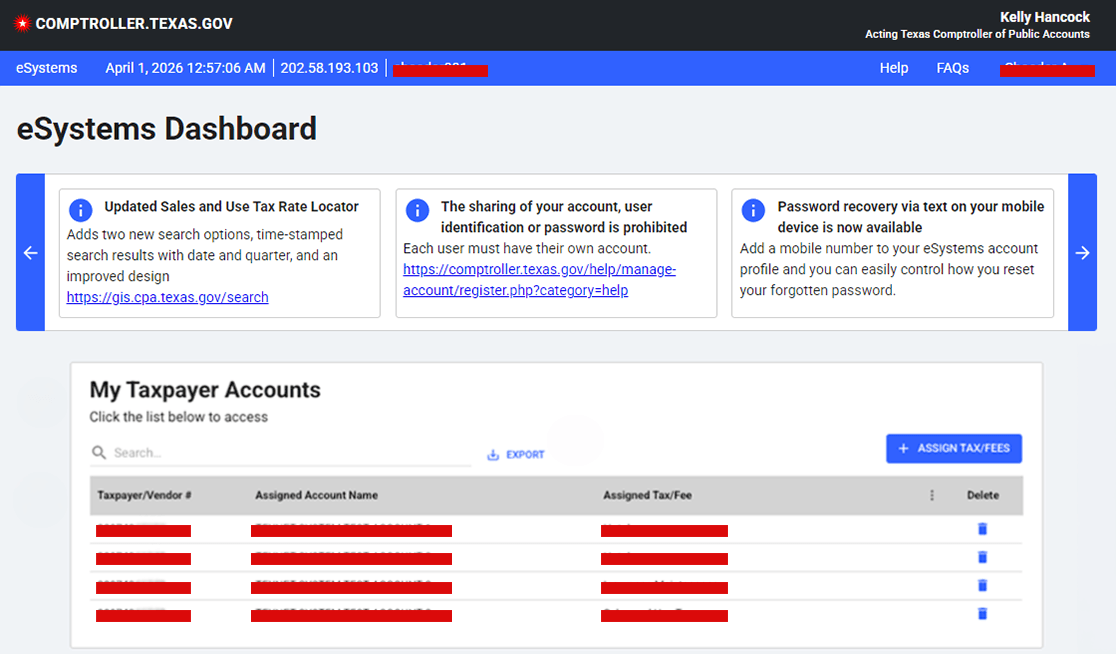
Step 3: Open the Public Information Report (PIR) section
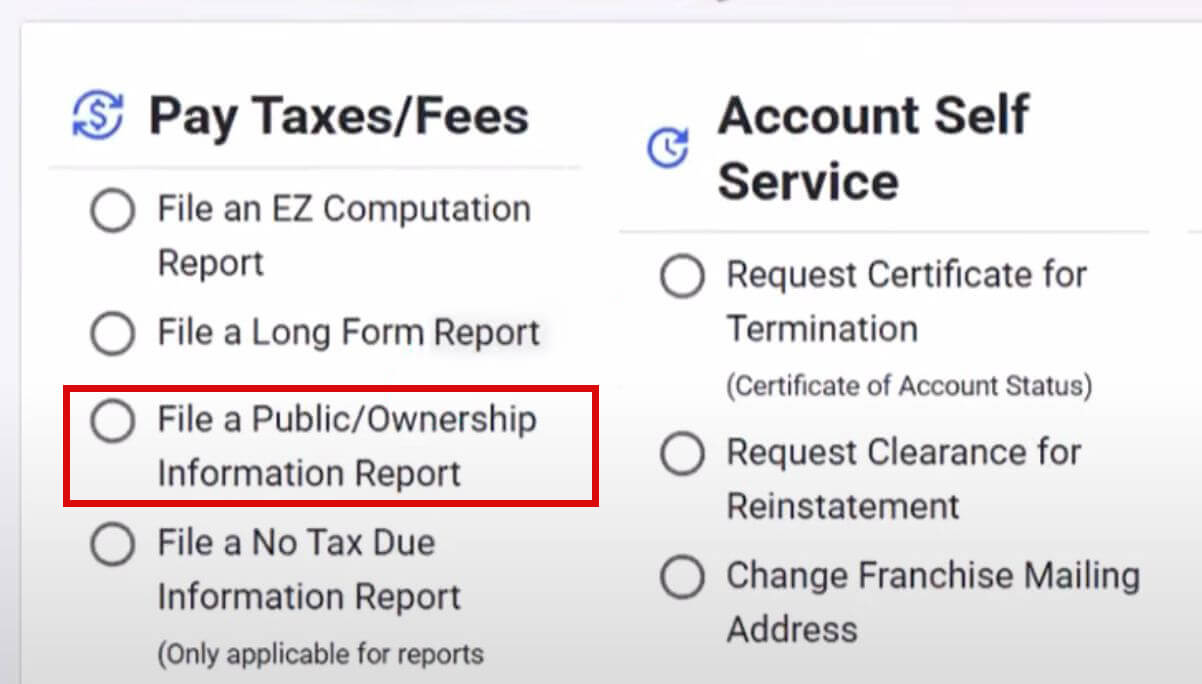
In the franchise tax area, select the option to file the Public Information Report. Texas specifically identifies the PIR as Form 05-102 for the annual filing requirement.
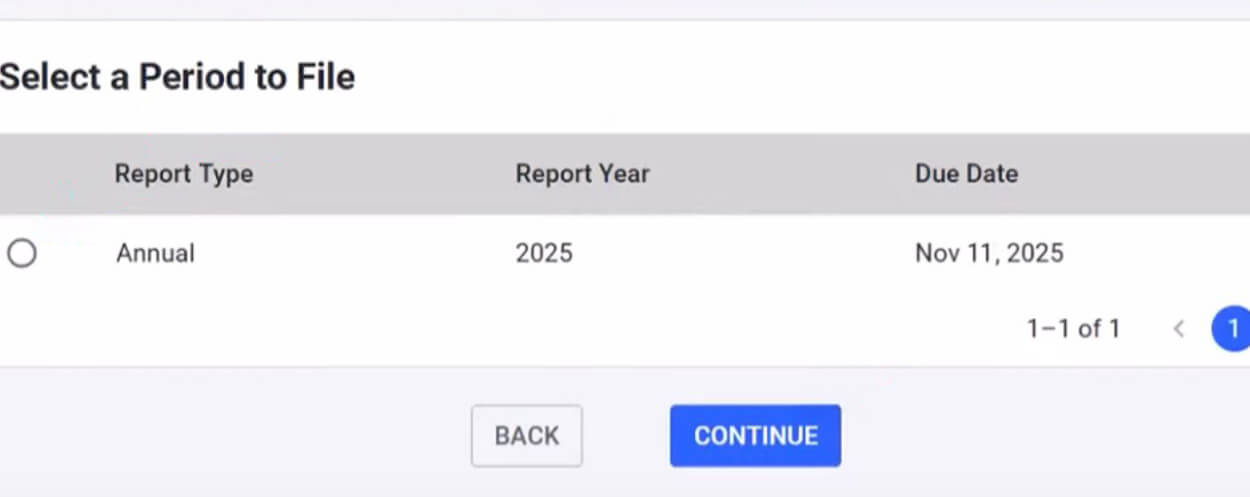
Step 4: Select the correct report year and filing type
Choose the franchise tax calendar year (report year) you are filing for, then open the franchise tax filing workflow that includes the PIR. (Menu labels can change slightly, so follow the prompts inside WebFile.)
Step 5: Confirm business addresses
Confirm or update the address fields WebFile asks for (commonly mailing and your principal office address).
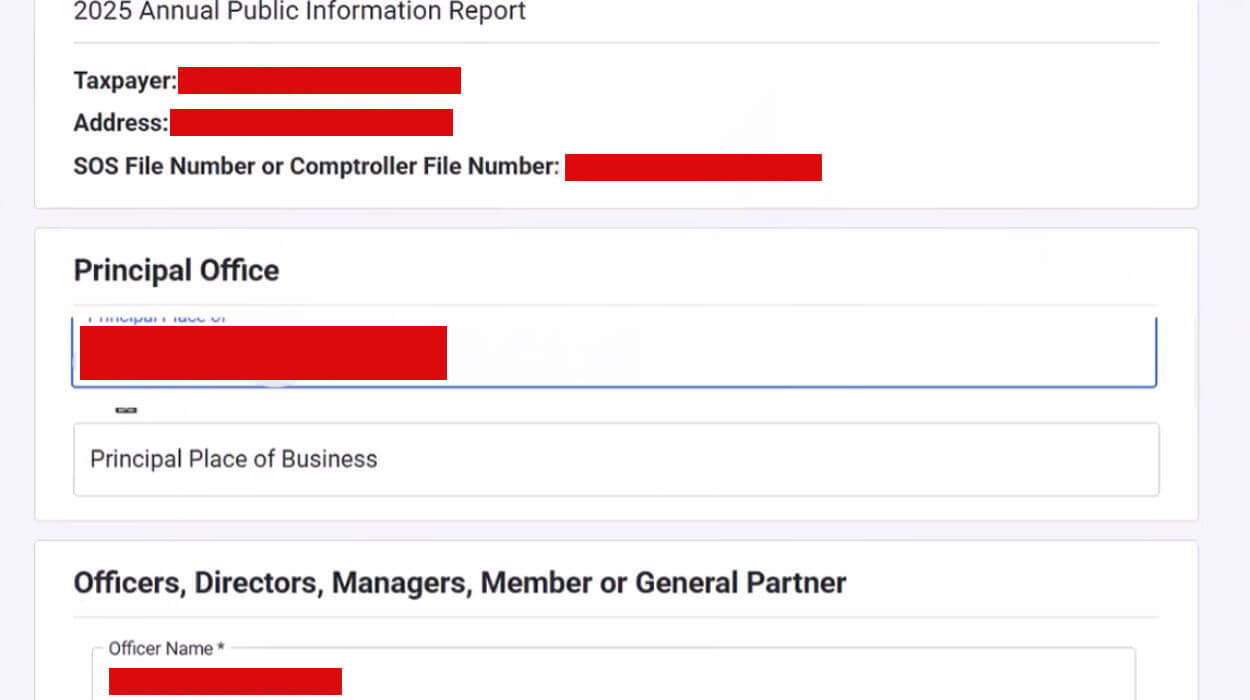
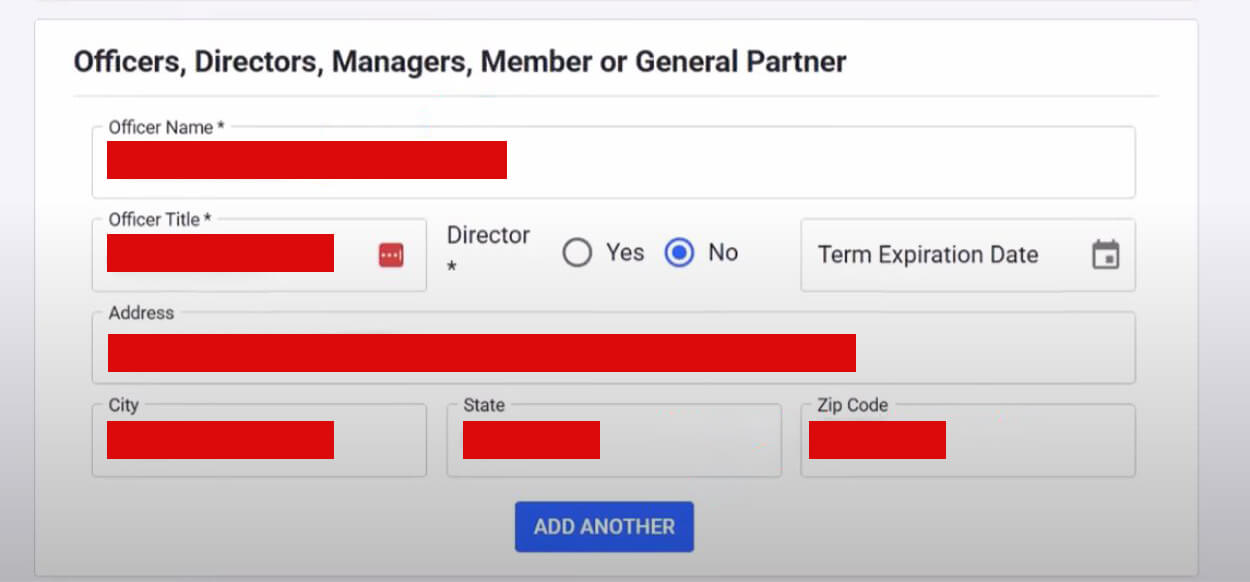
Step 6: Enter or confirm your management information
Fill in (or confirm) the names and complete addresses for the applicable roles (for example: officers, directors, managers, members, or general partners, depending on your entity). If WebFile prepopulates data, review it carefully and correct anything outdated.
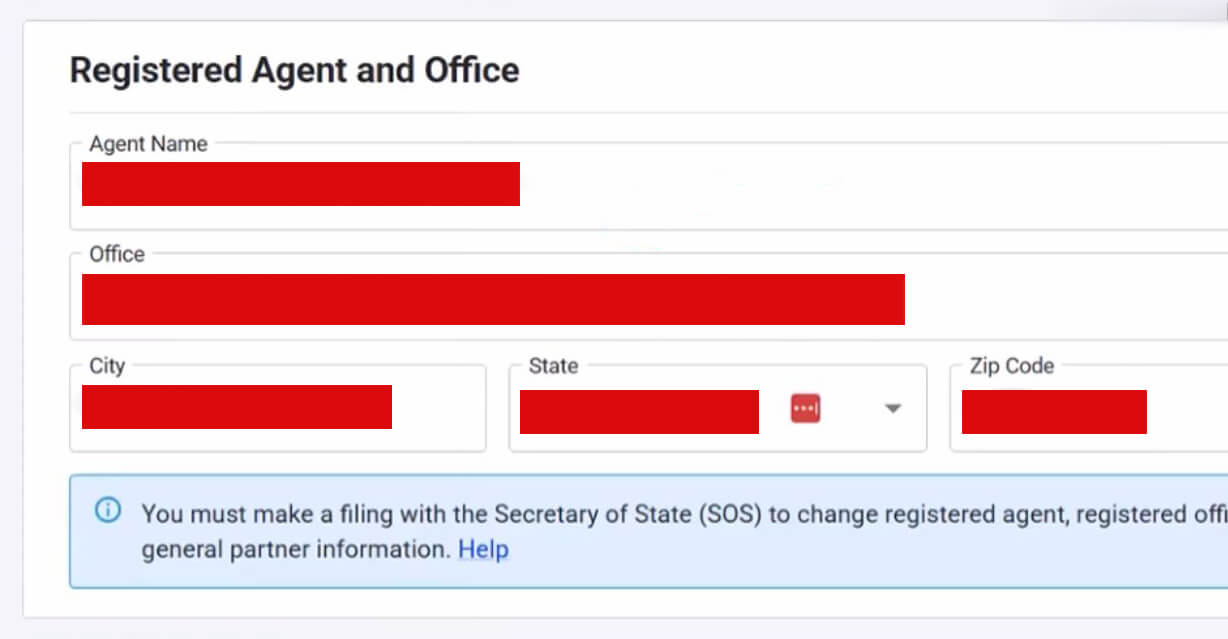
Step 7: Review the registered agent section (do not “change” it here)
WebFile will show a registered agent section as part of the report. If anything needs to change, it must be filed directly with the Texas Secretary of State, not on the PIR/OIR.
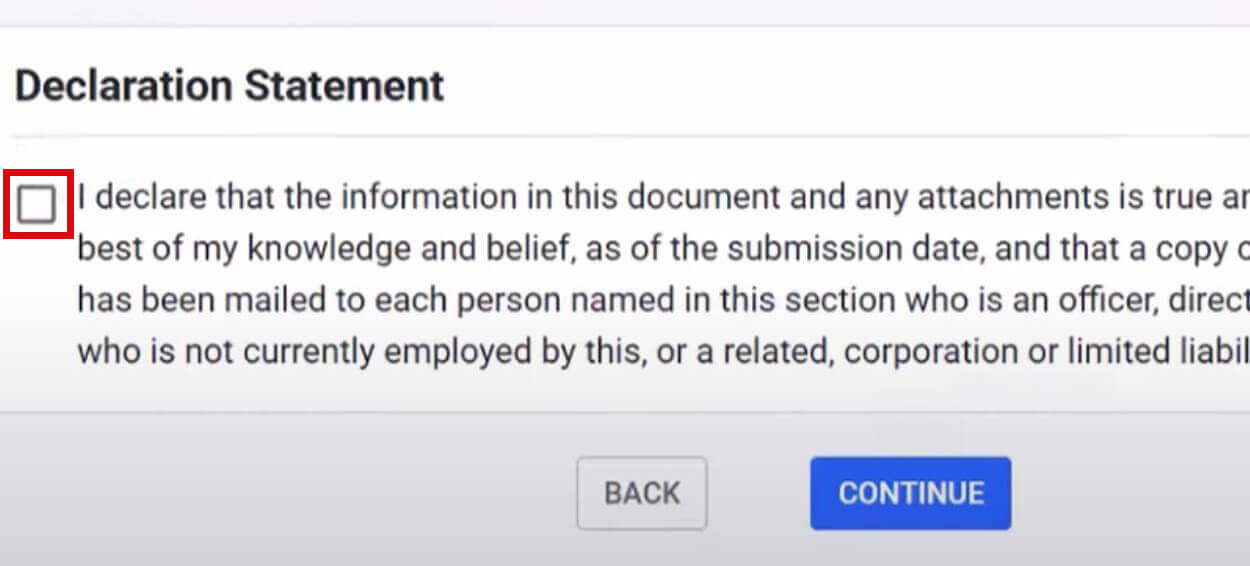
Step 8: Complete the declaration step
You must check the PIR declaration to confirm the information is true and correct as of the filing date, and that you mailed a copy of the report to each person named who is not currently employed by the entity (or a related entity). WebFile will not let you continue without this declaration.
Step 9: Review, sign, and submit the PIR
Review the summary, then submit the report. The Comptroller states the PIR must be signed by an officer, director, or other authorized person, so make sure the right person is the one completing the submission.
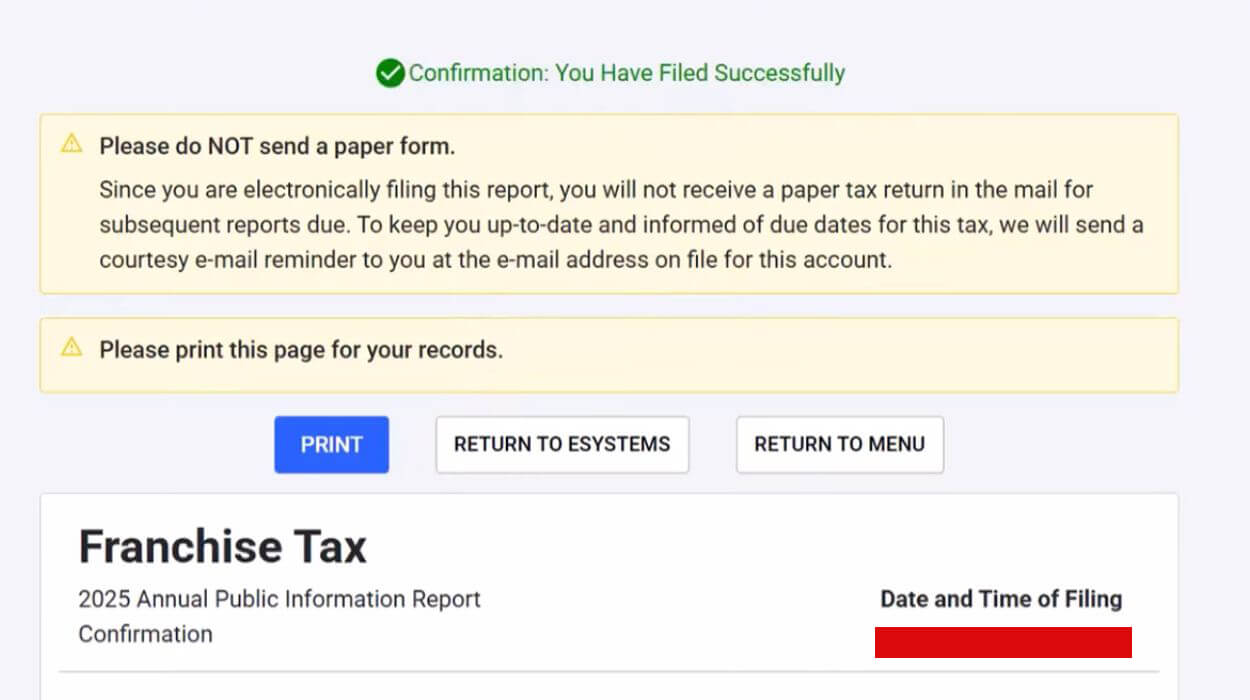
Step 10: Save your proof of filing
After submission, save your confirmation page and any downloadable copy for your records. If you ever need help later, the Comptroller provides official WebFile support channels.
Start your Texas LLC with Northwest Registered Agent
Northwest Registered Agent helps you form your Texas LLC with privacy and expert support, so you are set up correctly from the start and ready to handle filings like the Texas Public Information Report with confidence.
Texas Public Information Report Deadline
Texas franchise tax reports are due May 15 each year, and the Public Information Report is filed on that same annual schedule as part of the franchise tax filing.
If May 15 falls on a weekend or a legal holiday, the deadline moves to the next business day.
Why the PIR is filed together with the franchise tax report?
Texas treats the PIR as part of its annual franchise tax reporting package. You submit it to the Texas Comptroller, and the Comptroller then forwards the PIR information to the Texas Secretary of State so state management records can be updated.
If you’re comparing how other states handle yearly updates, this guide on LLC annual report deadlines is a helpful reference.
Texas Public Information Report vs Franchise Tax Report
These 2 filings get lumped together because Texas has you submit them in the same annual franchise tax workflow. In plain terms, the franchise tax report is the tax side (where you calculate tax using your taxable margin), while the Public Information Report is the “who runs the company” update that feeds Texas public records.
The franchise tax report is the yearly report you file with the Texas Comptroller by May 15. If May 15 lands on a weekend or legal holiday, the due date moves to the next business day.
The Public Information Report (PIR) is filed with the Comptroller at the same time, but it serves a different purpose. It updates management information, and the Comptroller sends that information to the Texas Secretary of State so the state’s management records are updated.
Why people call it an “annual report” is simple: in many states, the annual report is an SOS filing. Texas just routes its annual “update” through the Comptroller instead.
What Happens If You Do Not File the Texas Public Information Report
Missing the PIR is not just a paperwork issue. Texas treats the PIR (or OIR) as part of your franchise tax filing requirements, so a completed, signed report matters even when you owe $0 franchise tax.
If you do not file, here’s what can happen:
- A late-filing penalty can apply.
Texas assesses a $50 penalty for each report filed after the due date, and it can apply even when no tax is due. - Your right to transact business can be forfeited.
Texas notes your entity may forfeit its right to transact business if you fail to file a completed and signed PIR (or OIR), even if you are under the no tax due threshold. - You can lose key legal protections.
Forfeiture can include losing the right to sue or defend in a Texas court. - Personal liability risk can increase.
During forfeiture, officers, directors, partners, members, or owners can become personally liable for certain entity debts under the Texas Tax Code. - Fixing it can become a reinstatement project.
Once forfeited, getting back in good standing can require filing missing franchise tax and information reports, paying any tax/penalty/interest, and completing reinstatement steps with the Comptroller and Secretary of State.
Common Texas Public Information Report Mistakes
Most PIR problems come from assumptions. The form feels “simple,” but Texas ties it to franchise tax compliance, so small mistakes can snowball.
Common mistakes to avoid:
- Skipping the PIR because you owe $0 franchise tax.
The Comptroller states the PIR/OIR is still due even when you are at or below the no tax due threshold. - Filing the franchise tax piece but forgetting the PIR.
Texas notes forfeiture can happen if the PIR/OIR is not filed, even if you file the franchise tax report and pay what is due. - Using the wrong report type (PIR vs OIR).
Some taxable entities file an Ownership Information Report instead of a PIR, so picking the wrong one creates compliance issues. - Wrong signer.
The PIR must be completed and signed by an officer, director, or other authorized person. - Ignoring the declaration and mailing requirement.
The Comptroller’s instructions include a required declaration, including confirming a copy was mailed to certain people named on the report who are not currently employed by the entity (or a related entity). - Trying to “update the registered agent” on the PIR.
Registered agent and registered office changes must be filed directly with the Texas Secretary of State, not on the PIR/OIR. - Combined group oversight.
If you are part of a combined group, each member with Texas nexus must file its own PIR or OIR. - Confusing the PIR with other compliance filings.
For example, federal filings with the Internal Revenue Service (IRS), employer unemployment tax accounts with the Texas Workforce Commission, or Uniform Commercial Code (UCC) filings with the Texas Secretary of State
FAQs About the Texas Public Information Report
If you are filing this for the first time, the PIR can feel confusing because Texas bundles it into the same annual process as franchise tax reporting. These quick answers focus on what most business owners actually need to know so you can file correctly, stay in good standing, and avoid last-minute surprises.
Is the Texas Public Information Report the same as a franchise tax report?
No, the franchise tax report is the annual tax compliance filing, while the Public Information Report is the annual management-information update (who manages the entity and where they can be reached, depending on entity type). Texas has you file them together on the same schedule, so they feel like one task, but they serve different purposes.
Do Texas LLCs file a PIR every year?
In most cases, yes. Texas LLCs are generally required to update their management information each year on the PIR filed with the Texas Comptroller, and that information is then sent to the Secretary of State to update management records. Even if you owe $0 franchise tax, the information report requirement can still apply.
Where do I file the Texas Public Information Report?
You file it with the Texas Comptroller, not directly with the Secretary of State. Most businesses file online through WebFile, but Texas also provides a paper option (Form 05-102) if you cannot file online. Once filed, the Comptroller forwards the management information to the Secretary of State for record updates.
Can I file a PIR without filing the franchise tax report?
Usually, you should treat them as a package because the PIR is due on the same annual franchise tax deadline and is handled through the Comptroller’s franchise tax filing process. One nuance: for report years 2024 and later, some entities under the no tax due threshold may not need a No Tax Due Report (NTD), but they still must file the PIR (or OIR) when required.
What information becomes public on a Texas PIR?
The PIR is used to update Texas management records, so it can make management details public through state records. Depending on your entity, it can include names, titles, and addresses for officers, directors, managers, members, or general partners, plus key business addresses (like principal office) and registered agent information (here’s a quick explainer on what a registered agent does for an LLC if that term is still unclear). Texas requires this report annually, and the Comptroller forwards it to the Secretary of State.
- Texas Comptroller of Public Accounts: Public Information Report (PIR) & Ownership Information Report (OIR) Filing Requirements
- Texas Comptroller of Public Accounts: Texas Franchise Tax (Due dates, filing, and updates)
- Texas Comptroller of Public Accounts: Getting Started with Webfile (online filing)
- Texas Comptroller of Public Accounts: No Tax Due Reporting for Report Year 2024 and Later
- Texas Comptroller of Public Accounts: Franchise Tax FAQs (late-filing penalty info)
- Texas Comptroller of Public Accounts: Franchise Tax Account Status (effects of forfeiture)
- Texas Secretary of State – Corporations Section: Form 401 (PDF) – Statement of Change of Registered Office/Agent
Start your Texas LLC with Harbor Compliance
Harbor Compliance simplifies forming your Texas LLC while helping you stay on top of state reporting requirements like the Texas Public Information Report, so you can avoid penalties and stay compliant from day one.